

What Causes Exterior Paint to Fail Early — and How to Prevent It
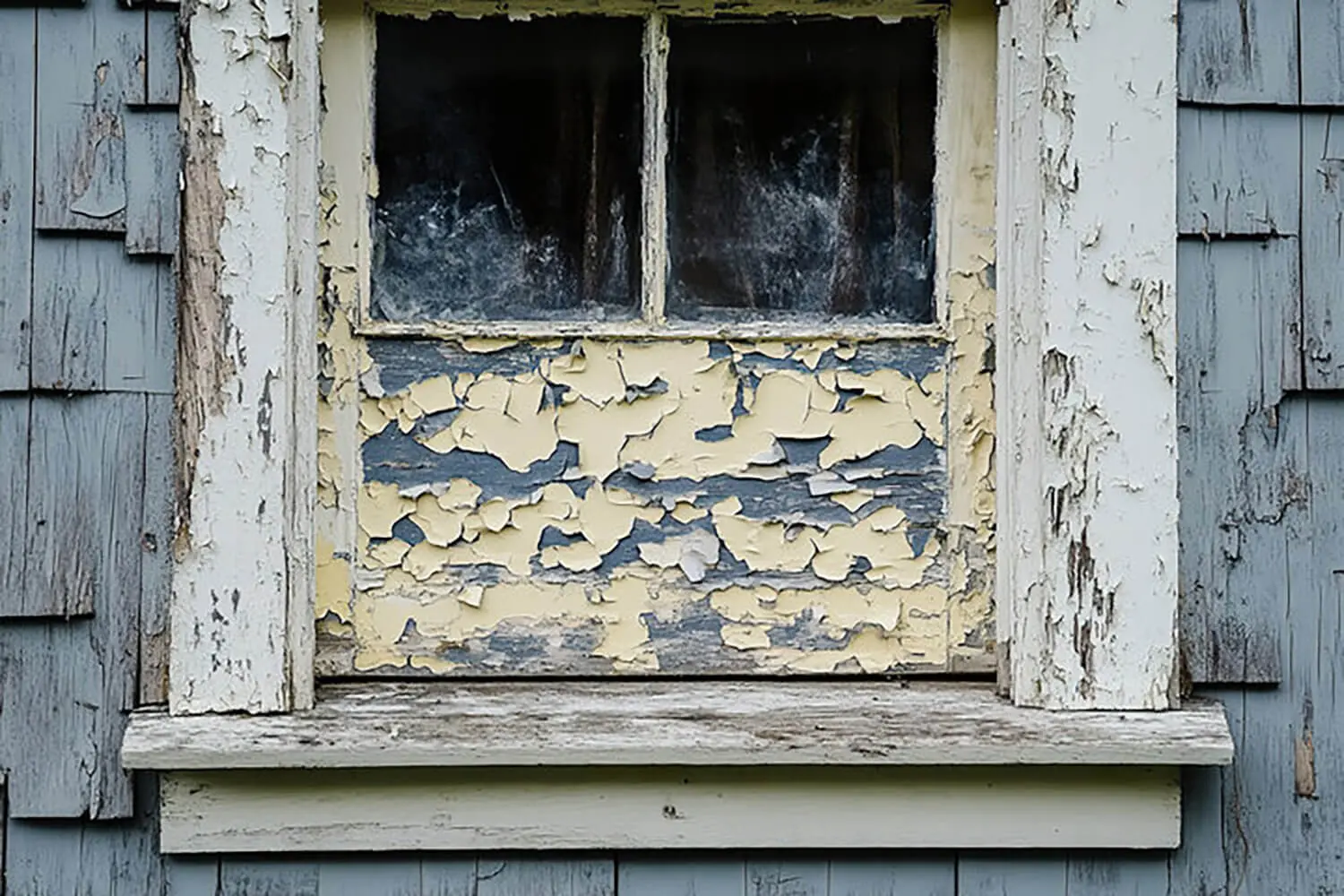
If you’ve noticed paint peeling away from your siding, bubbling around window trim, or colour fading well before you expected it, you’re not dealing with bad luck. Early exterior paint failure almost always has a specific cause, and in most cases, it was preventable. For homeowners in London and Southwestern Ontario, understanding what causes exterior paint to fail early matters more than it might elsewhere. The region’s freeze-thaw cycles, seasonal humidity, and temperature swings create conditions that expose every weakness in a paint job. This post walks through the main causes, why the local climate amplifies each one, and what a paint job that actually lasts requires.
Why Exterior Paint Fails Early — and Why It’s Almost Never Bad Luck
A properly applied exterior paint job should last eight to twelve years in a climate like Southwestern Ontario’s. Failure within two to four years isn’t a product problem or a weather problem. It’s a process problem. The causes almost always trace back to decisions made before the first coat was applied. They fall into four consistent categories: surface preparation, moisture, product selection, and application conditions.
Poor surface preparation is the root cause. The others become far more likely when prep is rushed or skipped.
Poor Surface Preparation
Preparation is where most premature paint failures begin, and it’s where corners get cut most often. Paint that goes onto a compromised surface will fail regardless of how good the product is.
The preparation failures that lead to early failure include:
- Painting over dirt, chalk, mildew, or oxidation. Paint cannot bond properly to a contaminated surface. Pressure washing alone isn’t always enough. Mildew requires treatment before painting, and chalking — the powdery residue left behind by aged paint — needs to be fully removed or the new coat has nothing solid to grip.
- Skipping repairs. Cracked caulking, rotted wood, gaps in siding, and existing peeling paint all need to be resolved before new paint goes on. Painting over these conditions doesn’t fix them. It seals them in and gives the new coat an unstable base to fail from.
- Applying new paint over failing old paint. On homes that have gone through multiple paint cycles, there may be layers of old paint that have already lost adhesion. New paint applied on top of a failing substrate will fail with it.
- Inadequate priming. Primer seals the substrate, improves adhesion, and creates a uniform base for the topcoat. Bare wood, repaired areas, and porous masonry all require proper priming. Skipping it, or using the wrong primer for the surface, is one of the more consistent causes of early failure on repaints.
A surface that looks clean and ready is not always either. Preparation done correctly takes time, and it’s the part of the job that determines how long everything that follows will last.
Moisture Getting Behind the Film
Moisture is the most common driver of exterior paint failure, and it does its damage from the inside out. When water gets behind the paint film, it breaks down the adhesion between the paint and the substrate. The visible result is bubbling, blistering, and peeling — often appearing in patches near windows, along the base of siding, or in areas where water tends to collect.
The most common ways moisture gets in include:
- Failed or missing caulking around windows, doors, and trim
- Gaps or cracks in siding that allow water to penetrate behind the surface
- Areas where water pools or runs without adequate drainage
- Painting over a surface that wasn’t fully dry after rain, heavy dew, or pressure washing
That last point is worth emphasising. A surface that feels dry to the touch may still hold moisture deeper in the substrate. Painting before the surface is dry through — not just on top — traps moisture under the film from the moment the job is done.
The Wrong Product for the Surface
Not all exterior paints are formulated for the same substrates or conditions. Using a product that isn’t suited to what it’s going on is a direct cause of early failure, even when everything else is done correctly.
A few things to understand about product selection:
- Different substrates move differently. Wood, masonry, stucco, and composite siding all expand and contract at different rates through seasonal temperature changes. A paint that can’t flex with the substrate will crack and fail as the surface moves.
- Exposed wood surfaces face compounded risk. Decks, fences, and wood siding exposed to direct weather and seasonal moisture need products specifically formulated for that level of exposure. The same product-mismatch risks that apply to exterior siding apply equally to deck and fence surfaces.
- Sheen level affects durability. Higher sheen products in areas with heavy sun exposure can show wear differently and highlight surface imperfections more than products matched to the actual exposure conditions.
In Southwestern Ontario’s climate, products rated for freeze-thaw resistance and temperature flexibility aren’t a premium option. They’re a baseline requirement for a job that lasts.
Bad Application Conditions
Even a well-prepped surface with the right product can fail early if the paint is applied in the wrong conditions. Temperature, humidity, and surface moisture at the time of application directly affect how paint cures and how well it bonds to the substrate.
The conditions that cause problems include:
- Temperatures outside the acceptable range. Most exterior paints require temperatures above 10°C and below 30°C with moderate humidity. Outside those parameters, the paint doesn’t flow, level, or cure the way it’s designed to.
- Painting in direct midday sun. Surface temperature in direct sun can exceed air temperature significantly. Paint applied to an overheated surface can skin over before it fully bonds, leaving a finish that looks fine initially but fails ahead of schedule.
- High humidity or insufficient drying time. In cooler temperatures and higher humidity, drying times extend considerably. Applying a second coat before the first has cured properly, or working in conditions where the paint can’t dry correctly, creates a compromised film from the start.
In Southwestern Ontario’s spring and fall painting windows, temperature swings between morning and afternoon can push conditions outside the acceptable range mid-job. Experienced contractors account for this. Rushed ones don’t.
Why Southwestern Ontario’s Climate Makes Every One of These Issues Worse
The region’s climate doesn’t introduce failure modes that don’t exist elsewhere. What it does is amplify the consequences of every mistake made in preparation, product selection, and application conditions. A prep shortcut that might result in minor peeling in a more stable climate can produce significant failure here within a single season.
Two factors are particularly relevant for homeowners in London and the surrounding area.
Freeze-Thaw Cycles Accelerate Every One of These Failure Points
London and Southwestern Ontario see significant freeze-thaw cycling through late fall and early spring. This matters because water expands when it freezes. Moisture that has gotten behind or into the paint film through any of the entry points described above expands with each freeze cycle, pushing the paint further away from the substrate with each pass.
This is why addressing moisture entry points before any repaint isn’t optional in this region. It’s also why product selection matters as much as it does. A paint that can’t flex through repeated freeze-thaw cycles will develop cracks that let more moisture in, which accelerates the failure further.
The same dynamic affects application conditions. In the shoulder seasons, a morning that starts within the acceptable temperature range can push well outside it by early afternoon as the sun hits the surface directly. Jobs that don’t account for that will show the consequences sooner than the homeowner expects.
Why Older Homes in the Region Face a Higher Risk
Older homes, particularly the heritage and character properties common in London’s established neighbourhoods, face a specific set of failure risks that newer builds don’t carry.
The reasons include:
- Aged wood substrates with multiple paint cycles. Many older homes have accumulated layers of paint over decades. Some of those layers have lost adhesion. New paint applied over an unstable base will fail along with it regardless of how well the new coat is applied.
- Softer, more porous older brick. Brick on homes built before the mid-twentieth century tends to be softer and more porous than modern brick. It absorbs and releases moisture more readily, which makes breathability a more critical consideration for any coating applied to it.
- Lead-based paint in lower layers. Older homes may have lead-based paint beneath more recent coats. This affects how preparation and removal must be handled, and it’s one of the reasons working with contractors who have experience with heritage properties matters on these jobs.
- Mixed substrates requiring different approaches. Older homes frequently combine wood siding with brick, stone, or masonry details. Each substrate behaves differently and requires product and application decisions tailored to it. A single approach across all surfaces on these homes is a reliable path to early failure on at least some of them.
How to Prevent Exterior Paint from Failing Early
Every cause described above is preventable. The prevention isn’t complicated. What it requires is a contractor who treats each step as non-negotiable rather than something to move through quickly.
A paint job that holds up in Southwestern Ontario’s climate starts with:
- Thorough surface preparation, including cleaning, mildew treatment, scraping, sanding, and repairing all damaged substrate before any paint goes on
- Identifying and addressing all moisture entry points, including failed caulking, gaps in siding, and drainage issues that allow water to collect against the surface
- Priming all bare wood, repaired areas, and porous masonry with the appropriate primer for the substrate type
- Selecting products formulated for the specific substrate and rated for freeze-thaw resistance and temperature flexibility
- Scheduling work within appropriate temperature and humidity windows and adjusting for surface conditions throughout the day
- Allowing adequate drying time between coats and after any pressure washing or rain exposure
None of these steps are difficult individually. The failures happen when they’re skipped or condensed to move a job along faster.
A Paint Job That Lasts Starts Before the First Coat Goes On
Exterior paint fails early for specific, identifiable reasons, and every one of them is preventable when the job is approached correctly. The difference between a paint job that lasts eight to twelve years and one that starts failing in two or three comes down almost entirely to what happens before the brush touches the surface.
For homeowners in London and Southwestern Ontario, that means working with a contractor who understands what preparation actually involves, what the local climate demands from the products being used, and what it takes to get a result that holds up through the seasons.
If you’re noticing early failure on your current exterior or planning a repaint and want to understand what condition your home is actually in, we’re happy to take a look. High Five Painting offers free exterior painting quotes across London and Southwestern Ontario. Reach out to get a clear picture of what your exterior needs and what a properly prepared job looks like from start to finish.