

How to Know If Your Deck or Fence Needs Staining
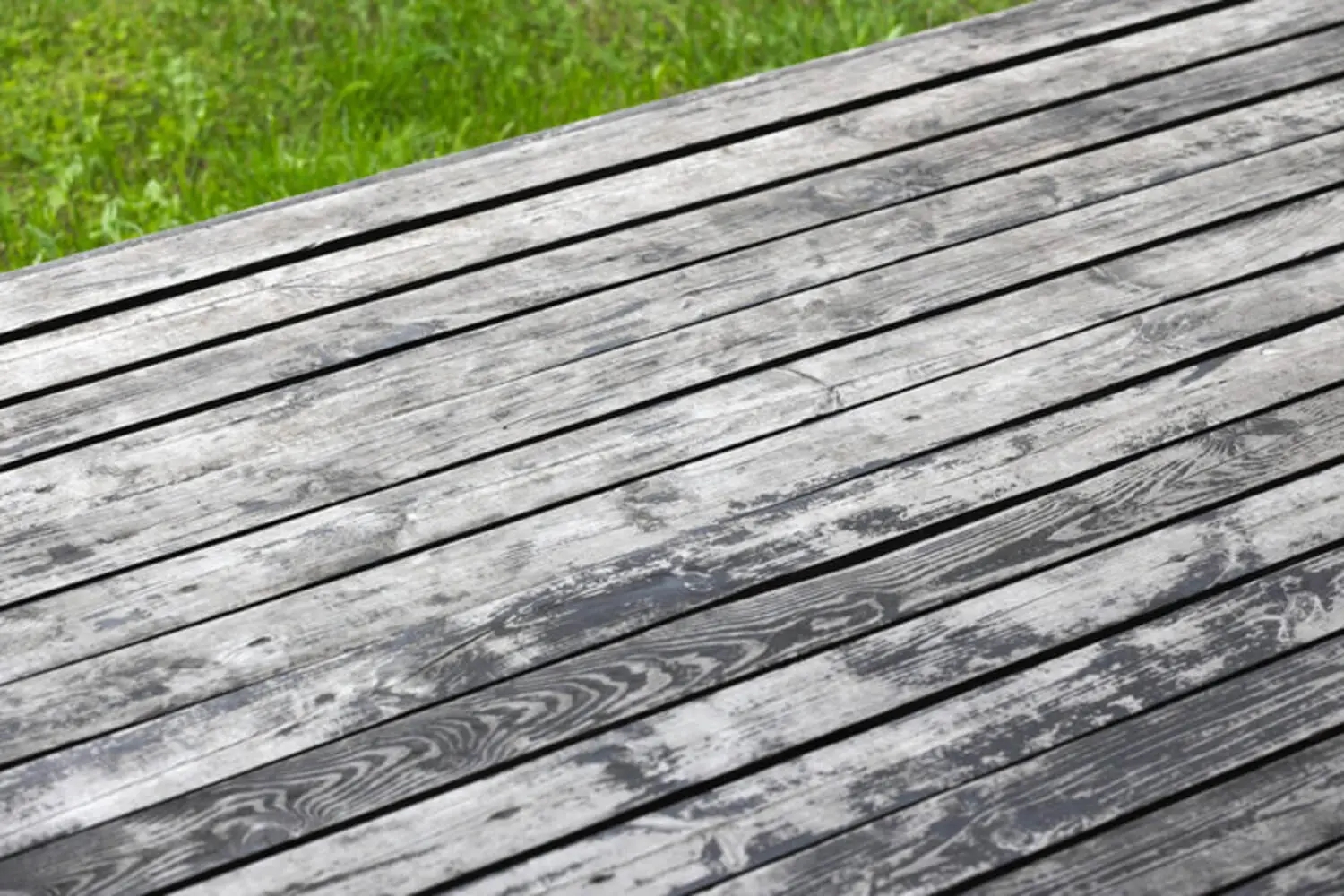
Every spring, London homeowners step outside and take a proper look at their deck or fence. Sometimes it’s fine. Other times, something looks off — the colour is dull, the wood feels rough, or the finish looks patchy after the winter. The question is whether it needs attention now or can wait another season. Stain doesn’t fail all at once. It wears gradually, and the wood often loses its protection well before the damage becomes obvious. Catching the signs early means a straightforward restaining job. Waiting means the gap between maintenance and repair closes quickly.
What Deck and Fence Stain Actually Does — and Why It Doesn’t Last Forever
Stain is not purely cosmetic. It forms a protective barrier that repels moisture, blocks UV rays, and stops wood from absorbing the water that leads to rot, mould, cracking, and structural damage. Over time, that barrier degrades through a combination of sun exposure, foot traffic, moisture cycling, and seasonal temperature swings. It doesn’t fail suddenly — it thins, becomes porous, and gradually loses its ability to keep water out. In Ontario’s climate, two to three years is a realistic maintenance interval for most decks and fences. How long a finish lasts depends on the product, the quality of the original prep and application, the wood species, and how much exposure the surface gets.
Why Southwestern Ontario’s Climate Wears Stain Down Faster
London and Southwestern Ontario’s climate puts more stress on exterior wood finishes than most regions. The key factor is the freeze-thaw cycle. Moisture gets into the wood, freezes, expands, and then contracts as it thaws. Each cycle creates movement in the wood fibres that breaks down the stain’s bond with the surface. Through a typical Southwestern Ontario winter, that stress accumulates across dozens of cycles.
Spring thaw is the highest-risk period. Snow and ice melt saturates wood that may already have weakened after months of freeze-thaw stress. This is when existing stain failures become visible and when unprotected wood absorbs the most moisture. Summer then brings strong UV exposure, particularly on south and west-facing surfaces, which accelerates fading and surface breakdown.
The practical implication is straightforward. A deck or fence that looked acceptable going into winter may look significantly worse coming out of it. Homeowners in London and Southwestern Ontario should inspect their wood surfaces every spring as a baseline. The signs below show exactly what to look for.
The Water Bead Test: The Fastest Way to Know
Before walking the full surface, run this simple test. Pour or splash a small amount of water directly onto the deck boards or fence rails. Watch what happens.
- Water beads up and rolls off — the stain still forms an effective moisture barrier. The wood is protected.
- Water absorbs into the wood and darkens the surface — the stain no longer repels moisture. The wood is taking on water and faces the damage that follows.
The test works because it checks the stain’s actual function, not its appearance. A surface can look acceptable while no longer doing its job. The water bead test bypasses how the wood looks and tests what it’s actually doing.
Run the test on multiple areas. Check high-traffic zones, the sections that get the most sun, and spots that stay shaded or damp. Stain wears unevenly, and one area passing doesn’t mean the whole surface is protected. If water absorbs immediately, restaining is overdue. If water absorbs slowly, the stain is approaching the end of its effective life, and the visual signs below will confirm the picture.
Signs Your Deck Needs Staining
The water bead test gives a functional read. Visual signs confirm it and help identify how far along the degradation is. Walk the deck carefully and look for these specific indicators.
Fading and Greying Wood
Fading colour is one of the earliest visible signs. UV protection breaks down first, and as stain pigment degrades, the wood beneath begins to show through. Greying is a more advanced form of surface degradation. UV damage reaches the wood fibres themselves, not just the stain. Grey, silver, or washed-out wood signals that the surface has been exposed long enough for fibre breakdown to begin. Greying is not purely cosmetic. It means the wood has been unprotected long enough for UV damage to set in, and moisture has likely been getting in alongside it.
Peeling or Flaking Stain
Peeling stain means the bond between the finish and the wood has broken down. Moisture gets under the stain film and forces it away from the surface. This is the same mechanism that drives early exterior paint failure on siding and trim. Peeling appears more often with solid or opaque stain products than with semi-transparent ones. Solid stains form a surface film rather than penetrating the wood, and once that film lifts, it peels. Peeling stain cannot simply be coated over. The failing material needs removal and the surface needs proper preparation before new stain goes on. The sooner it gets addressed, the less preparation the job requires.
Cracking or Splitting Boards
Cracks and splits signal that moisture has been cycling in and out of the wood without a protective barrier to regulate that movement. Surface checking — small, shallow cracks along the grain — is an early warning. Deeper splits indicate more advanced moisture damage and may require board replacement before restaining. Cracks create direct pathways for water to reach the interior of the wood. A cracked board that goes unaddressed gets worse each season.
Soft or Spongy Wood
Wood that feels soft, spongy, or gives underfoot has begun to rot. Prolonged moisture exposure has penetrated the wood fibres and created conditions for decay. Soft spots appear most often where water tends to pool or where drainage is poor: around post bases, beneath railings, at the ends of boards where end grain is exposed, and in shaded areas that stay damp. Soft or spongy wood signals structural damage, not just surface wear. Boards in this condition typically need replacement before restaining. Catching it early limits how many boards reach that point.
Dark Spots, Mould, or Mildew Growth
Dark spots, black patches, or green discolouration on deck boards are signs of mould or mildew growth. Mould establishes when moisture sits on or in the wood long enough to support biological growth. It signals that the stain’s moisture barrier has failed. Properly protected wood doesn’t hold the sustained moisture mould needs. Mould requires treatment and removal as part of the prep process before restaining. Applying new stain over active mould does not eliminate it and causes the new finish to fail faster.
Rough or Splintering Surfaces
A deck surface that once felt smooth but now feels rough, raised, or splintery has experienced surface fibre breakdown. UV exposure and moisture cycling degrade the top layer of wood fibres over time, raising the grain and creating the texture that leads to splintering. Splintering is also a safety concern, particularly on a deck used barefoot or by children. A rough surface can often be addressed with sanding and proper prep before restaining, but the longer it goes untreated the more work is required to restore a smooth base.
Signs to Watch for on Fences Specifically
Fences share most of the same wear signs as decks but have surface-specific patterns worth inspecting separately. Vertical surfaces drain differently than horizontal ones, and fences often get less attention than decks during a seasonal check. These are the areas to look at closely:
- Post bases. The bottom of fence posts where they meet the ground or a concrete footing is the highest-risk area on any fence. Moisture wicks up from the ground, end grain absorbs water readily, and post bases stay damp longer than the rest of the fence. Soft or darkened wood at post bases warrants immediate attention.
- Rail tops. The top horizontal rail collects rain, snow, and debris. It weathers faster than the vertical boards and is often the first part of the fence to show greying, cracking, or peeling stain.
- The weather-facing side. In Southwestern Ontario, the west and southwest-facing side of a fence takes the most UV exposure and wind-driven rain. This side shows signs of wear before the sheltered side. Check it specifically rather than evaluating the fence from one angle only.
- Boards near ground level. The bottom boards of a fence panel face ground moisture, snow accumulation, and splash-back from rain. These boards often develop mould, greying, or soft wood before the upper sections do.
What Happens If You Wait Too Long
Delaying restaining when the signs are present doesn’t save money. It increases the cost of the eventual job and risks turning a maintenance task into a repair or replacement conversation. The consequences of waiting compound quickly:
- Surface damage requiring more aggressive prep. Wood that has greyed, cracked, or developed mould needs sanding, treatment, and significantly more preparation before new stain can go on. The more advanced the degradation, the more labour-intensive and costly the prep becomes.
- Board replacement. Boards with soft spots, significant cracking, or rot need replacement before restaining. Each season of delay increases how many boards reach that point.
- Structural damage at post bases and connections. Rot at post bases or where boards meet framing can compromise the structural integrity of the deck or fence. At this stage the repair is far more expensive than a restaining job would have been.
- Lost protection through the next season. A deck or fence heading into a Southwestern Ontario winter without adequate stain faces more freeze-thaw damage than a properly maintained surface. Each unprotected winter accelerates the degradation.
The signs covered in this blog are early to mid-stage warnings. Acting on them now is materially less expensive than acting after another season passes.
When to Act in Southwestern Ontario
Timing matters. Stain applied in the wrong conditions won’t bond properly and will fail faster than stain applied in the right window. The ideal staining window in Southwestern Ontario runs from late spring through early fall — roughly May through September. Temperatures need to sit consistently above 10°C, humidity should be moderate, and the forecast needs to stay clear for at least 24 to 48 hours after application.
Late summer and early fall — August through September — is a particularly strong window. Temperatures are stable, humidity runs lower than in spring, and staining before the first freeze protects the wood through the coming winter.
If the signs described in this blog are visible now, waiting until next spring means the wood goes through another Southwestern Ontario winter unprotected. For homeowners seeing these signs, this season’s window is the right time to act. It’s also worth noting that homes showing wear on deck and fence surfaces often have related issues on siding and trim. If that’s the case, addressing exterior painting at the same time avoids running two separate projects when one coordinated visit would cover both.
If You’re Seeing These Signs, Now Is the Right Time
Fading, peeling, cracking, soft spots, mould, and failing the water bead test are the wood’s way of signalling that its protective barrier is gone or nearly gone. Acting before the damage progresses is always the less expensive path. The same moisture and surface exposure principles that drive stain failure on decks and fences drive early paint failure on siding and trim for exactly the same reasons — unprotected wood takes on water, and water causes the damage that follows.
For homeowners in London and Southwestern Ontario who have walked their deck or fence and recognised any of these signs, the next step is a professional assessment before the staining window closes for the season. High Five Painting provides deck and fence staining across London and Southwestern Ontario. Reach out for a free quote, get a clear picture of the current condition of your wood, and find out what the job involves before winter arrives.